Rebalancing in PMS & AIF Portfolios – Keeping Strategy Aligned with Market Reality
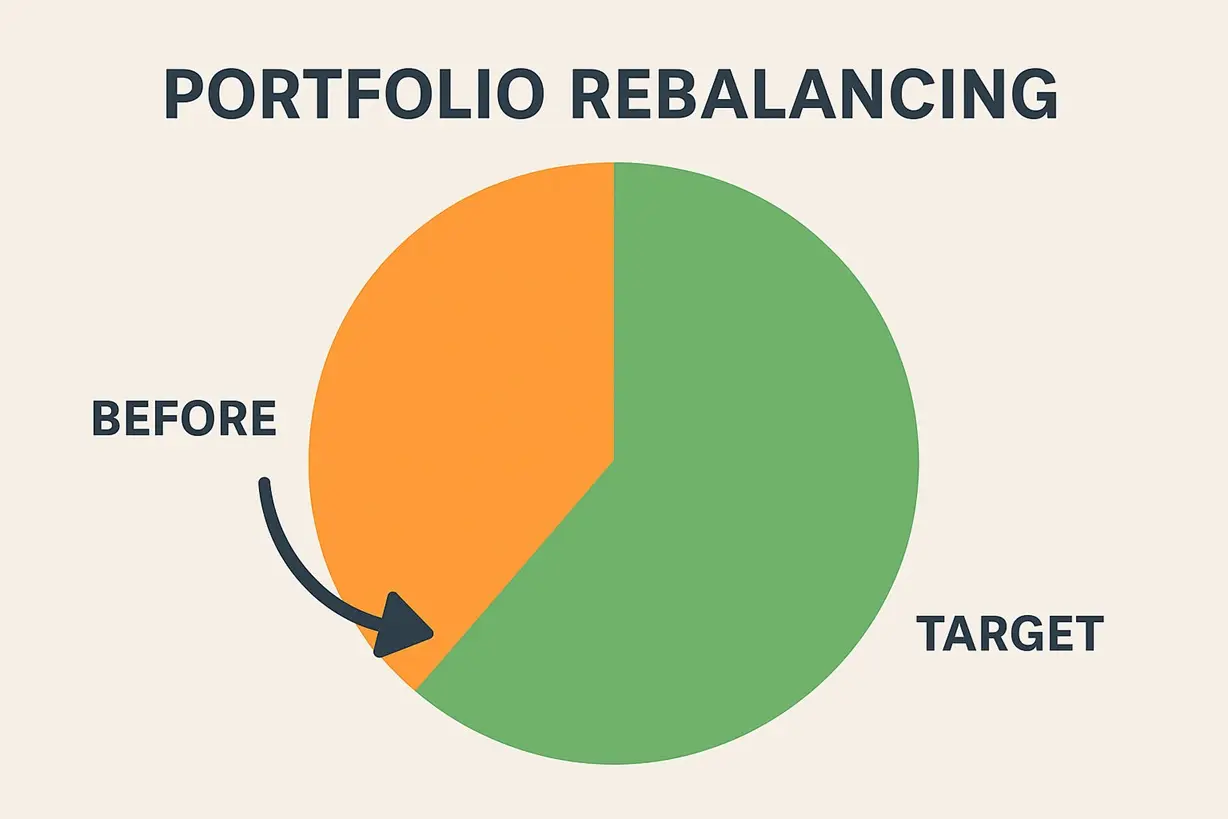
Markets move; portfolios drift. Rebalancing brings allocations back in line with the original intent so risk doesn’t silently creep upward. Both PMS managers and AIF fund teams follow structured rebalancing protocols defined in their mandates.
How PMS Handles Rebalancing
Positions are reviewed periodically—monthly, quarterly, or when deviation thresholds breach. Large-cap weights trimmed, cash redeployed to under-owned sectors. Adjustments preserve target style (growth, value, thematic) without emotion.
In AIFs
Private-equity or credit funds rebalance by altering exposure across sectors, vintages, or leverage levels. Hedge-style AIFs use derivatives to realign gross and net exposure bands after volatility spikes.
Why It Matters
Without rebalancing, portfolios over-concentrate in winners near cycle peaks. Controlled trimming turns paper gains into realized discipline.
Key Takeaway: Rebalancing isn’t cosmetic—it’s a risk-control mechanism that sustains consistency through market noise.
Disclaimer: Educational only.